
Machine Mind Reading
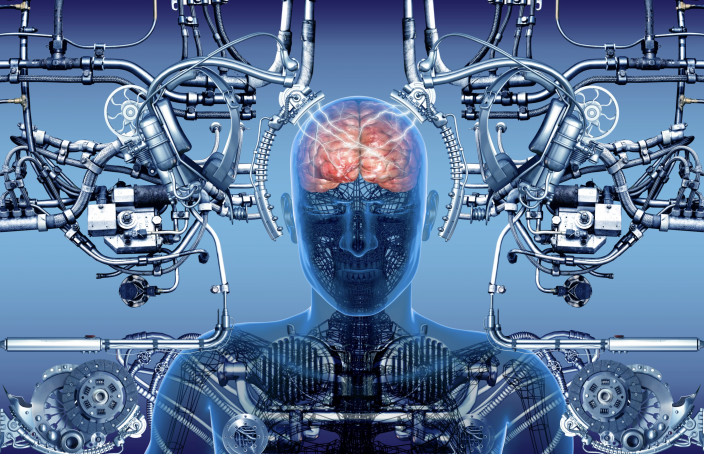

Machine Mind Reading: The Next Frontier in Psychic Development
This article in the Wall Street Journal lit up my whole weekend while lighting the way for the next stage of human development; machine mind reading is going to be one of the biggest breakthroughs we’ll see in 2026.
Imagine a world where your thoughts can control devices—text messages composed by intention, wheelchairs that respond to desire, digital assistants that interpret silent mental commands. This sort of tech, once the stuff of science fiction, is rapidly approaching reality. In fact, tech analysts and industry insiders contend that “mind-reading” technology is among the most transformative innovations likely to surface in 2026.
This emerging field represents a convergence of neurotechnology, artificial intelligence, and human-computer interface design—with profound implications for communication, healthcare, accessibility, and even how we define human agency.
What Is Machine Mind Reading?
“Machine mind reading” isn’t literal telepathy. Instead, it refers to technologies that interpret brain and nerve signals and translate them into digital commands or meaningful outputs. This happens through devices that either:
- Monitor electrical or neural activity non-invasively, such as wristbands or headbands that detect patterns in nerve signaling;
- Interface directly with the brain through implants or sophisticated sensors that capture activity at increasingly granular levels.
In 2026, both approaches may advance significantly. While fully invasive systems like Elon Musk’s Neuralink remain in experimental or early human research phases, less invasive wearables and head-mounted systems are becoming more capable and accessible.
A Brief History: From EEG to Thought Mapping
The roots of machine mind reading trace back to neuroscience techniques like EEG (electroencephalography) and fMRI, which have long been used to measure brain activity. Researchers demonstrated years ago that computers could identify which of several images a person was thinking about by analyzing brain activity patterns. In controlled studies, computers matched specific neural signals with specific visual thoughts—limited in scope, but remarkably accurate.
While those experiments were far from real-world application, they proved a powerful point: the human brain produces identifiable and repeatable electrical patterns tied to specific mental content.
Today, advanced AI models can sorta “decode” these patterns using machine learning. Over time, as algorithms improve and capture richer neural data, these decoders become more accurate and capable of real-time translation.
Why 2026 Is a Milestone Year
According to tech forecasters covering major industry trends heading into 2026, brain-computer interface (BCI) technologies are evolving rapidly, and several startups and research labs are pushing toward practical applications.
For example:
- Wearable neurotech systems—similar to wristbands that read nerve signals—are expected to move from experimental to consumer-ready applications. These could interpret patterns from nerve signals in the wrist or head and translate them into actions like virtual reality navigation or communication through text-to-speech.
- Early “mind-captioning” tools are demonstrating that thoughts can be translated into words or sentences in controlled contexts. This moves beyond simple binary commands (like “up” or “down”) toward nuanced thought interpretation.
- Assistive technologies for people with motor disabilities—such as thought-controlled wheelchairs or communication aids—are rapidly approaching clinical trial stages and may begin offering real utility within the next year.
What’s crucial is that 2026 isn’t predicted to be the year we unlock full mind control. Instead, it is expected to be the year these technologies begin to transition from laboratories and isolated experiments to real products and early trials.
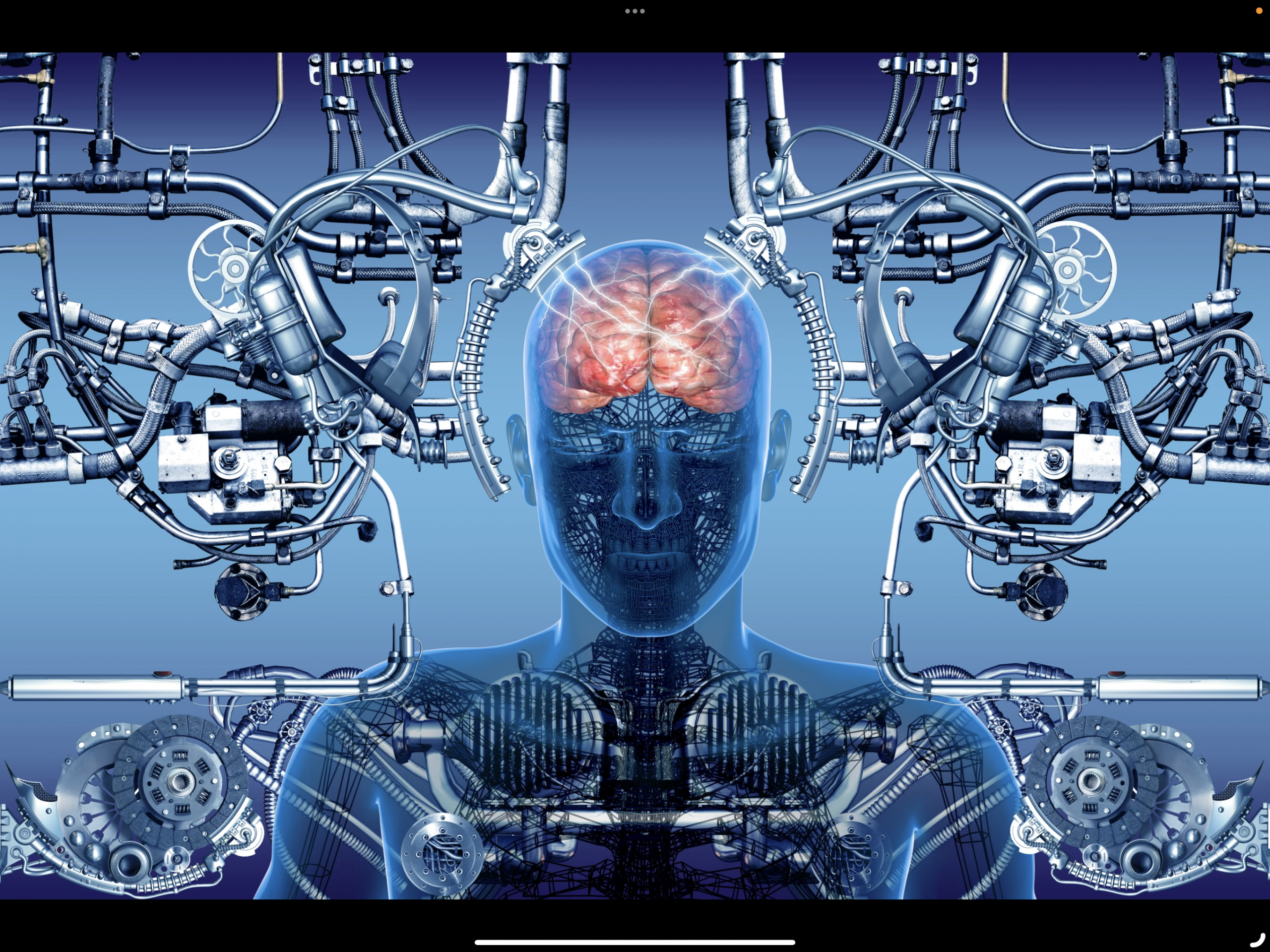
How Mind Reading Interfaces Work
At a high level, machine mind reading systems involve three pillars:
🧠 1. Signal Capture
Sensors—electrodes or optical sensors—detect electrical or metabolic brain activity. These sensors can be noninvasive (worn externally) or minimally invasive (implantable microelectrodes). Modern tools also measure nerve-signal patterns at the wrist or in the skull without a surgical procedure.
🧠 2. Signal Interpretation
Raw signals are processed by machine learning models trained to recognize patterns corresponding to mental states, intentions, images, or commands.
One of the breakthroughs in recent years is that AI systems can begin to map neural activity to specific outputs such as intended speech, imagined visuals, or directional cues.
🧠 3. Action Translation
The interpreted signals are then translated into actions—typing, controlling a device, navigating a UI, or triggering assistive solutions.
Increasingly, this translation is happening in real time, enabling smoother and more instantaneous interactions.
Real-World Applications on the Horizon
The potential use cases for machine mind reading technology are vast, and in some cases, deeply human:
🦾 Accessibility and Healthcare
For individuals with paralysis or movement disorders, thought-based interfaces could restore agency—allowing them to communicate, move prosthetic limbs, or control assistive devices without physical input.
Companies are already trialing combinations of VR headsets and neurotech hardware to help diagnose and assist with neurological conditions, expecting more clinical use cases in the coming years.
📱 Human-Computer Interaction
Imagine typing emails or operating apps simply by thinking. While mainstream consumer use may still be a few years away, early iterations of thought-based interfaces could enrich augmented reality (AR) and virtual reality (VR) experiences by allowing users to interact more intuitively with digital environments.
🧠 Communication and Expression
For people who cannot speak or type, turning internal intention into language could become a breakthrough for creative expression and fundamental communication.
Ethical, Privacy, and Safety Concerns
As exciting as machine mind reading is, it also raises serious questions:
🔐 Privacy
Brain signals contain deeply personal information. Who has access? How is it stored? How secure is the translation pipeline from neural activity to digital output?
🧠 Consent and Agency
What if technology becomes so good that it detects signals users never meant to express consciously? Clear standards for consent and intentionality are essential.
⚖️ Regulation and Misuse
Regulators may need to step in to protect individuals from unauthorized access or misuse of brain data—potentially more sensitive than even genetic data.
This intersection of innovation and ethics will be among the most debated topics as these technologies mature.
The Future: From Assistive Tech to Everyday Reality
In 2026, machine mind reading is not expected to read every thought or decode inner monologues like science fiction novels. However, it will likely make significant strides toward interpreting neural signals in meaningful ways, particularly for assistive applications and early consumer devices.
Over time, advancements in AI, sensor technology, computing power, and neuroscience research could see this shift from niche experiments to widely used tools that reshape how we interact with technology and each other.
One thing is clear: we are moving into an age where the boundary between thought and action becomes increasingly fluid—a development that may redefine what it means to communicate and create with machines.
Conclusion: This Tech is the Roadmap for Future Psychic Development
Machine mind reading is poised to become one of the most talked-about technology trends of 2026—a step toward realizing deeper human-technology synergy. While we’re still far from literal thought reading, the ability for machines to interpret neural signals with AI assistance represents a major leap forward. With transformative potential in accessibility, communication, and human-computer interaction, this technology will demand not only innovation but thoughtful stewardship.
The fact these signals and electrical/neural that make machine mind reading possible exists provides prima facie proof that ESP is real
Going forward, even first-generation entrants into this new product marketplace will provide groundbreaking actionable research as to how humans can develop mind reading powers based on the protocols established with this nascent technology.